


Studies have shown that the adoption of technology has significant effects on the economies of developing countries. For example, technology has assisted in resolving issues such as reducing national production costs, establishing literacy rates, and enabling long-distance communication. We have seen the positive effects of the rapid growth of technology in the U.S. and other developed countries, such as how technology has influenced the alleviation of poverty, the ease of information dissemination, and an increase in access to information via the Internet. While the majority of public schools in the U.S. have computer labs to teach typing skills, literacy, and Internet search tools, the need for computers in international schools remains a persistent issue.
Here are a few ways that we can address this need:
1.) Address security issues with current computer labs
While some developing countries have already successfully established computer labs in schools, security is a tremendous issue. For example, although the students and teachers at the school might try to protect their technological resources, there may be dangerous community members who will steal the school's resources. This can be devastating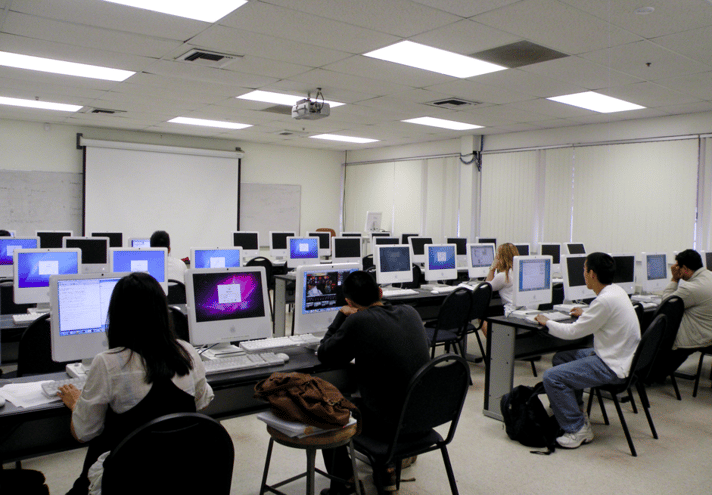 for those using the resources that were stollen, as frequently a significant amount of effort went into establishing the computer lab in the first place and educational progress may have already been made.
In order to address this issue, we can help by donating money or time to these schools in need to ensure that they are able to establish property safety and security measures. Some of these security resources might include locks for classrooms, security cameras, and even funding for separate, secure building for labs.
2.) Visit locations in need and educate about the importance of computer literacy
Another way to combat the issue of a lack of computers in low-income, international schools is to spread local awareness about the problem. This could potentially entail visiting the location with the lack of technology and speaking with local community members about their needs. While some community members might not be aware of their needs, it can also be helpful to educate them on some of the resources that they could be using in order to increase literacy and education problems in their area. For example, demonstrating the positive results of having access to technology, such as how the Internet can be used as a life changing resource, can influence local communities to advocate for getting technology and computers specifically.
3.) Spread digital awareness about the need
Although spreading awareness with local community members about the importance of computer technology is extremely important, it is also a great idea to spread digital awareness. Some may argue that this is even more effective because you are able to reach a larger audience in a more efficient manner. For example, by spreading articles and news about lack of technology in developing countries via channels like blogs, social media, and company websites, more people will become aware of the issue and hopefully motivated to help resolve it.
4.) Make monetary donations
Making monetary donations to schools in need can be one of the most efficient and direct ways to make a difference for those in need. This can be particularly effective if you are not entirely sure how your resources can be best used. Sometimes the local school in need will know how to allocate financial resources in the most effective way and it is best if they make this decision themselves. Another important aspect of making monetary donations to note is that your donation does not have to be significant in size to make a difference. Of course, the more you can donate the better off the recipient will likely be, small donations even in the amounts of $20 can make a tremendous difference, as that amount of money can be used to buy a keyboard and mouse for a computer.
5.) Donate used computers and laptops
Donating used computers and laptops is another effective way of addressing the need for computers in international schools. Many people in developed countries consider having a personal computer a necessity and even upgrade their computer model every few years. Instead of leaving your computer in your home to not be used or throwing it away, you can easily donate it directly to the school you know would benefit from it or donate it to a nonprofit organization that specializes in these types of efforts. Donating your computer directly to a school or to a nonprofit is also one of the safest ways to ensure that your contribution will be used for the problem that you are specifically trying to address.