


According to the U.S. Department of Education, more than 40% of low-income schools don't get an equal amount of state and local funds. Statistics like this one combined with the abundance of several other challenges facing American public schools present restrictions on the possibility of socioeconomic mobility for low-income families. Furthermore, growing income inequality is continuing to put strains on families in need. Some of the biggest discrepancies are apparent through factor such as the amount of money that some parents are able to spend on books, extracurricular activities, computers, and other forms of technology for their children. Donating to schools of these low-income individuals is one of the easiest and most effective ways of making a difference.
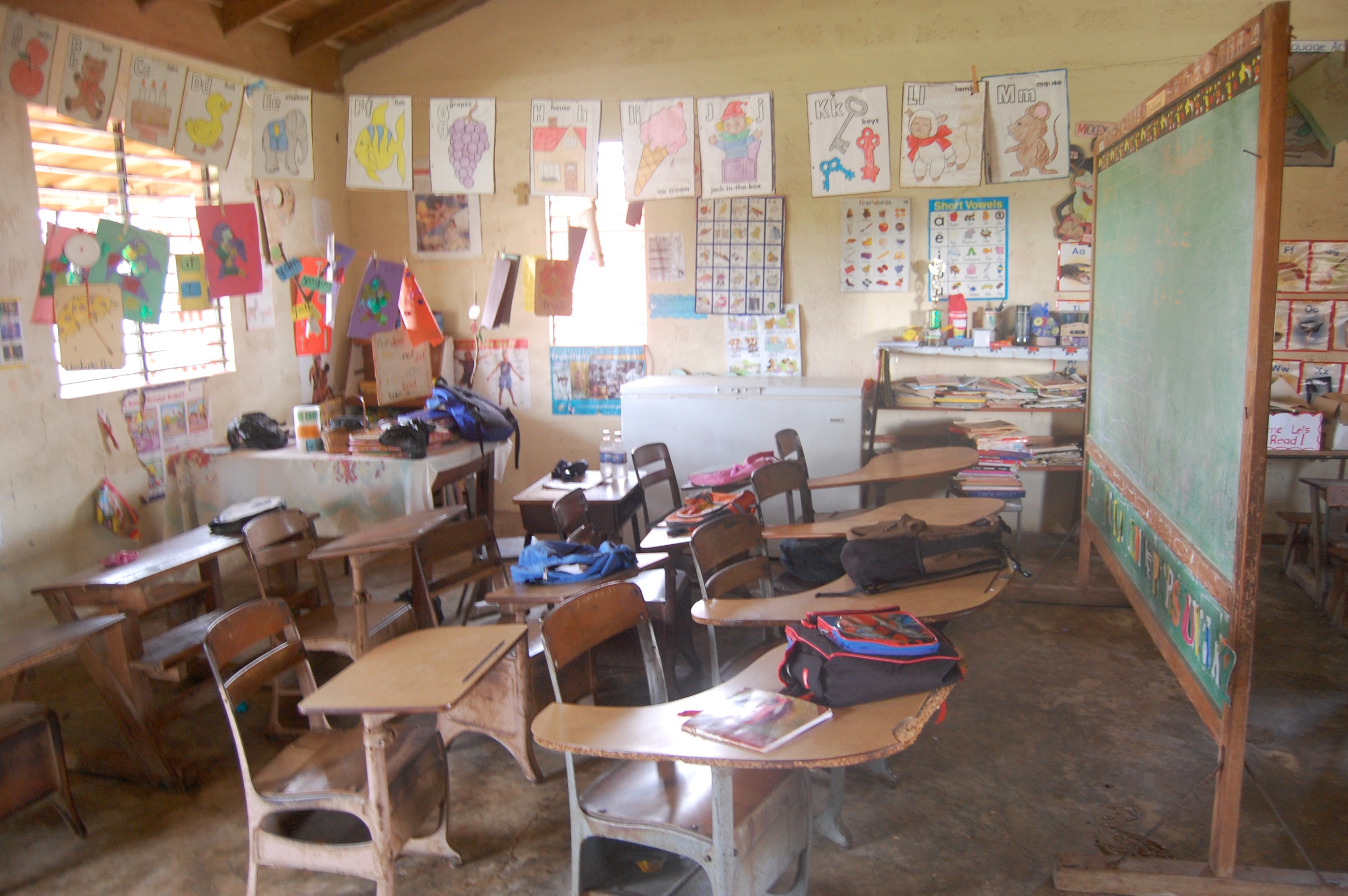
While the problem of discrepancies of resources among different schools is abundant in the United States, the issue is also extremely prevalent on the international scale. Donating to low-income schools both domestically and abroad is more important than ever. While monetary donations can make a tremendous impact, it is sometimes difficult to ensure that funding is being used in the most effective way possible. However, making in-kind donations of items that are currently functioning and able to be used immediately is an extremely effective and efficient way to make an immediate impact.